
Himalayan vs. Altai vs. Russian Shilajit: What Actually Matters
Walk into any supplement forum and you’ll find the same debate: which region produces the best shilajit? Here’s what the evidence says — and what you should actually care about.
The Three Major Regions
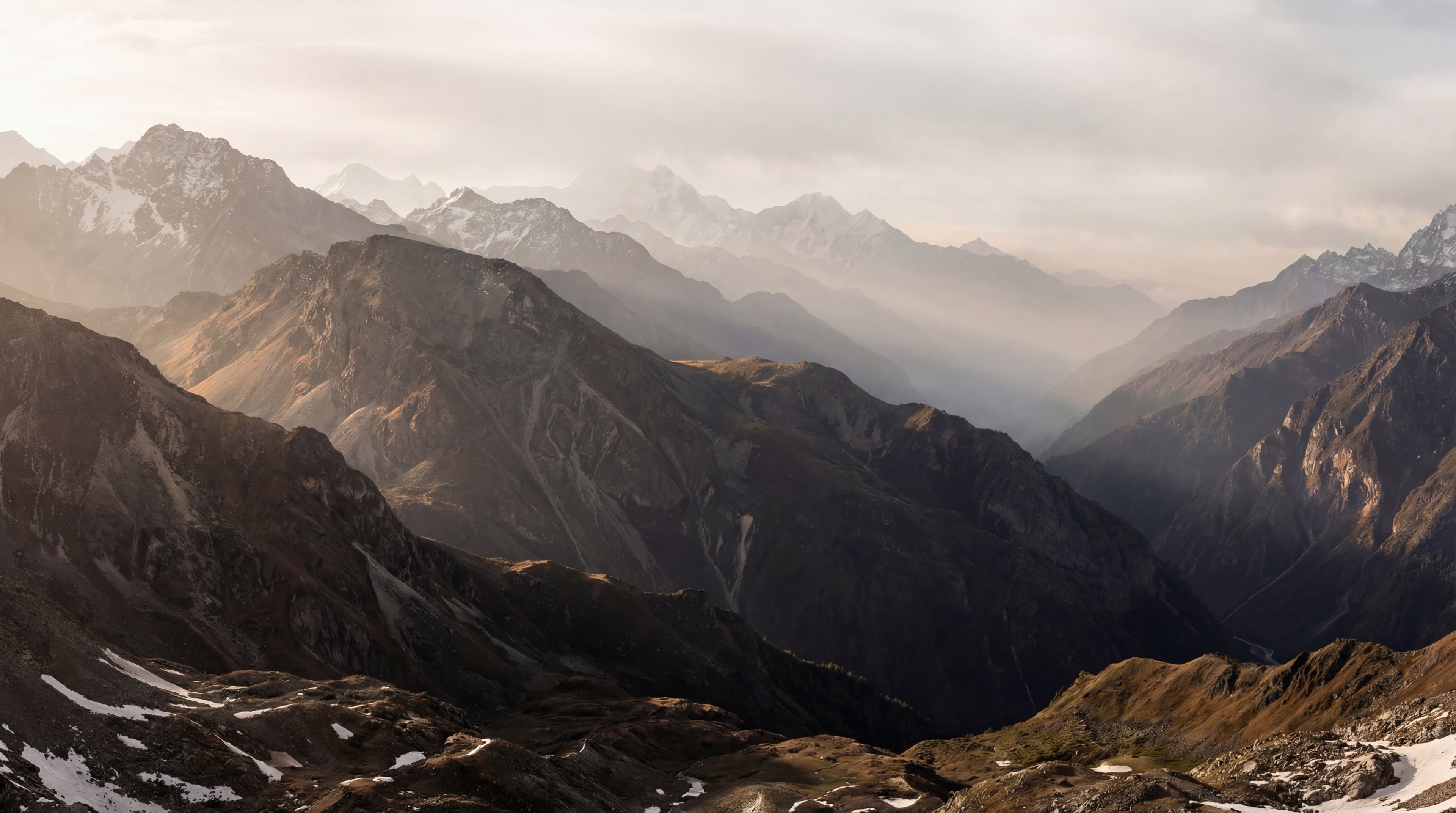
Shilajit forms in mountain rock cracks over centuries — the result of ancient organic plant matter compressed under geological pressure. The three primary sourcing regions each produce shilajit with distinct characteristics:
Himalayan Shilajit (Pakistan, India, Nepal)
Sourced from the highest altitudes on Earth — 14,000 to 18,000+ feet. The extreme elevation means longer geological compression, higher mineral density, and a more potent fulvic acid profile. Regions like Gilgit-Baltistan in Pakistan are considered the gold standard, producing resin at 16,000+ feet where the mineral concentration is at its peak.
This is also where the Ayurvedic tradition originates. Shilajit has been used in Indian and Himalayan medicine for over 3,000 years — longer than any other sourcing region.
“Himalayan shilajit is the best, and it’s recommended to make sure the brand gets tested by a 3rd party for heavy metals.” — r/Supplements community consensus
Altai Shilajit (Russia, Mongolia, Central Asia)
The Altai Mountains span Russia, Mongolia, China, and Kazakhstan. Shilajit from this region forms at lower altitudes (12,000–16,000 feet) but in unique geological conditions that produce a distinct mineral profile. Russian and Siberian traditional medicine has used Altai shilajit (called mumijo) for centuries.
The key difference: Altai shilajit tends to have a slightly different trace mineral composition due to the geological makeup of the mountains. Some practitioners prefer it for specific applications, though the general consensus is that higher altitude equals higher potency.
Russian & Caucasus Shilajit
Less commonly discussed but still present in the market. Caucasus-sourced shilajit forms at lower altitudes and is less studied than Himalayan or Altai varieties. It’s not necessarily inferior, but the research base and traditional usage history are thinner.
What Actually Matters
Here’s the truth most brands won’t tell you: the region matters less than the processing and testing.
You can have shilajit from the most pristine Himalayan peak, but if it’s processed poorly — heated too aggressively, contaminated during extraction, or adulterated with fillers — the region of origin is irrelevant.
What you should actually look for:
Why We Source From All Three Regions
At Pure Himalayan Shilajit, we source from Gilgit-Baltistan, the Indian Himalayas, and the Altai Mountains. Not because we can’t pick a favorite — but because each region offers something unique.
Our flagship Sun-Dried Liquid comes from Gilgit-Baltistan at 16,000+ feet — the highest altitude shilajit available. Our Pure Resin draws from multiple Himalayan sources for a broad mineral profile. Every product, regardless of origin, goes through the same rigorous independent lab testing.
The region is the starting point. The testing is the guarantee.
Want to See Our Lab Results?
Every batch is independently tested. We publish everything.
View Lab Testing